Community Action for Cleaner Water: PFAS Solutions
Home / Community Action for Cleaner Water: PFAS Solutions / Community Action for Cleaner Water: PFAS Solutions
Per- and polyfluoroalkyl substances (PFAS), often called “forever chemicals,” have become a growing concern for communities across the country. Used in everything from nonstick cookware to firefighting foam, PFAS is incredibly persistent in the environment and can pose risks to both human health and local ecosystems. As communities learn more about these chemicals, the challenge is clear: how do we work together to keep our water and land safe for generations to come?
Understanding the PFAS Challenge
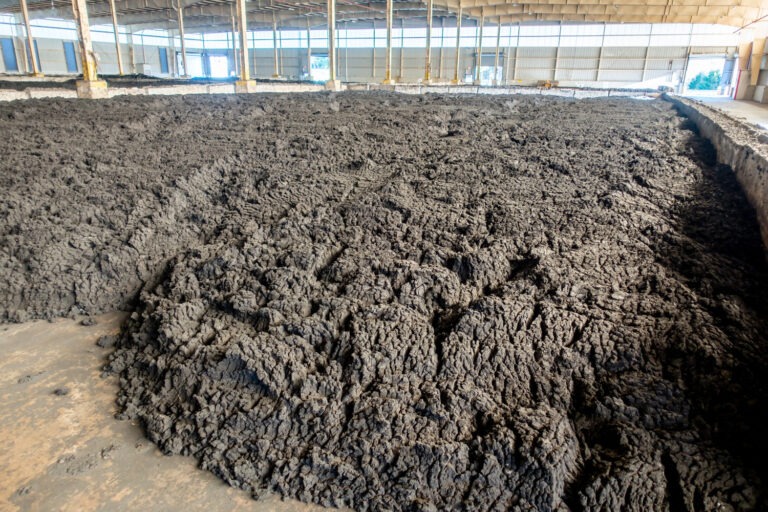
PFAS can enter our wastewater systems from many sources, including factories, businesses, homes, and especially landfill leachate, the liquid that drains from landfills. Wastewater treatment plants (WWTPs) are not designed to remove PFAS, so these chemicals can pass through the treatment process and end up in biosolids (the material left after treatment) or in the water released back into rivers and streams.
In Willmar, Minnesota, the city’s WWTP receives leachate from up to seven landfills. Willmar is taking measures to safeguard the environment, which benefits both the local community and the wider region. Without targeted solutions, PFAS can remain in the biosolids that are spread on farmland or flow into local waterways like Hawk Creek, potentially impacting drinking water and wildlife.
A Regional Approach: Willmar’s Pilot Project
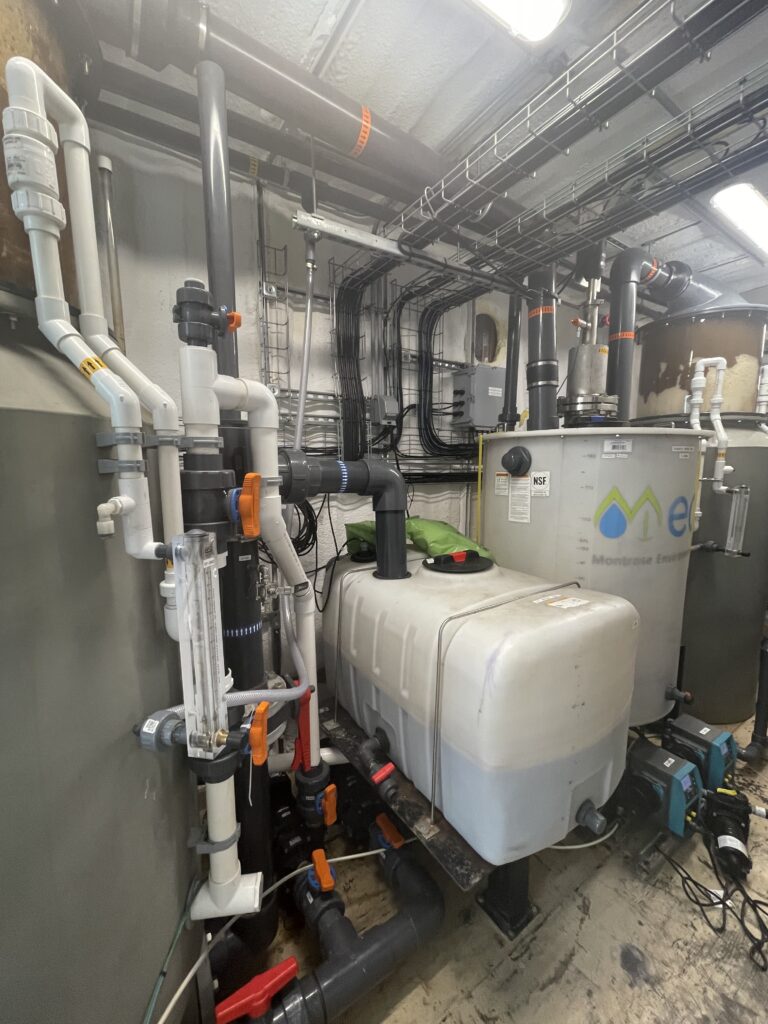
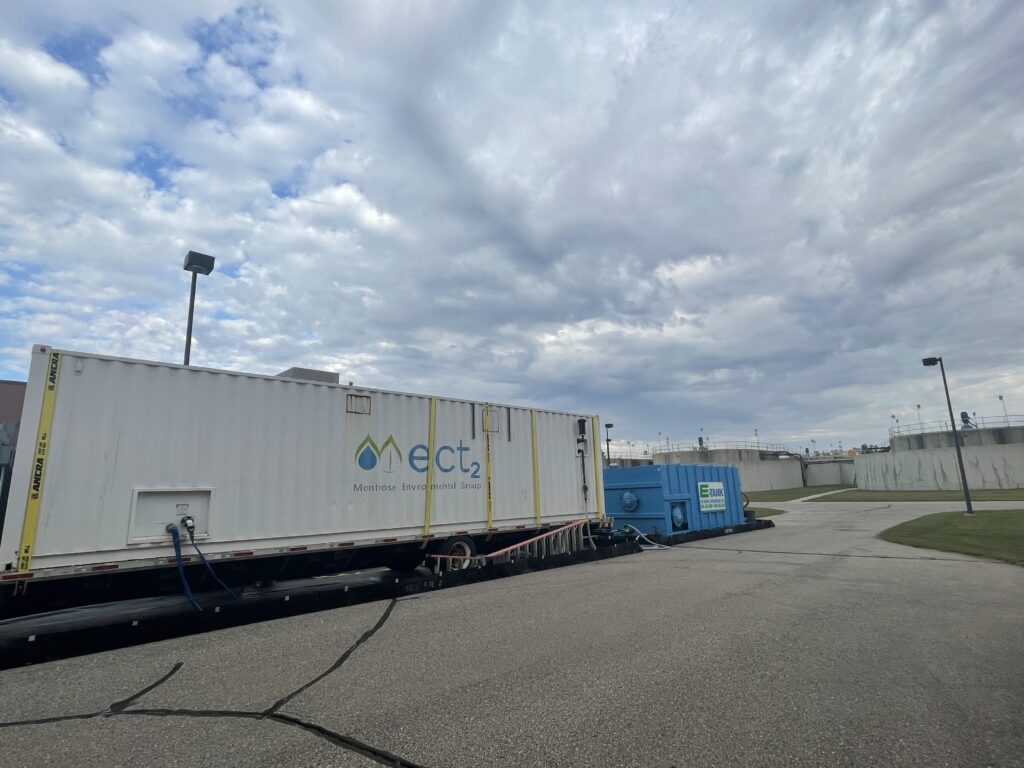
Recognizing the need for action, the City of Willmar launched a pilot project to tackle PFAS at the source. Instead of waiting for PFAS to reach the treatment plant, Willmar is testing a new technology called foam fractionation. This process helps remove PFAS from landfill leachate before it enters the WWTP, reducing the amount of chemicals that end up in biosolids or local streams.
What makes Willmar’s approach unique is its focus on regional collaboration. By working with multiple landfill operators and neighboring communities, Willmar is creating a model that can benefit the entire area—not just one city. The project is also located in an Environmental Justice area, meaning it’s designed to help those who may be most affected by pollution and environmental risks.
Engaging the Community
Community involvement is at the heart of Willmar’s PFAS reduction efforts. City staff, landfill operators, and regional partners are all part of the planning and implementation process. The Minnesota Pollution Control Agency (MPCA) provides communication tools to help city leaders educate residents about PFAS, including sample social media posts, press releases, and factsheets.
Transparency is key. Willmar is committed to sharing the results of its pilot project with the public, so everyone can understand the benefits and challenges of PFAS reduction. By keeping residents informed and involved, the city builds trust and encourages others to act.
Supporting Safe Water in Brooklyn Center
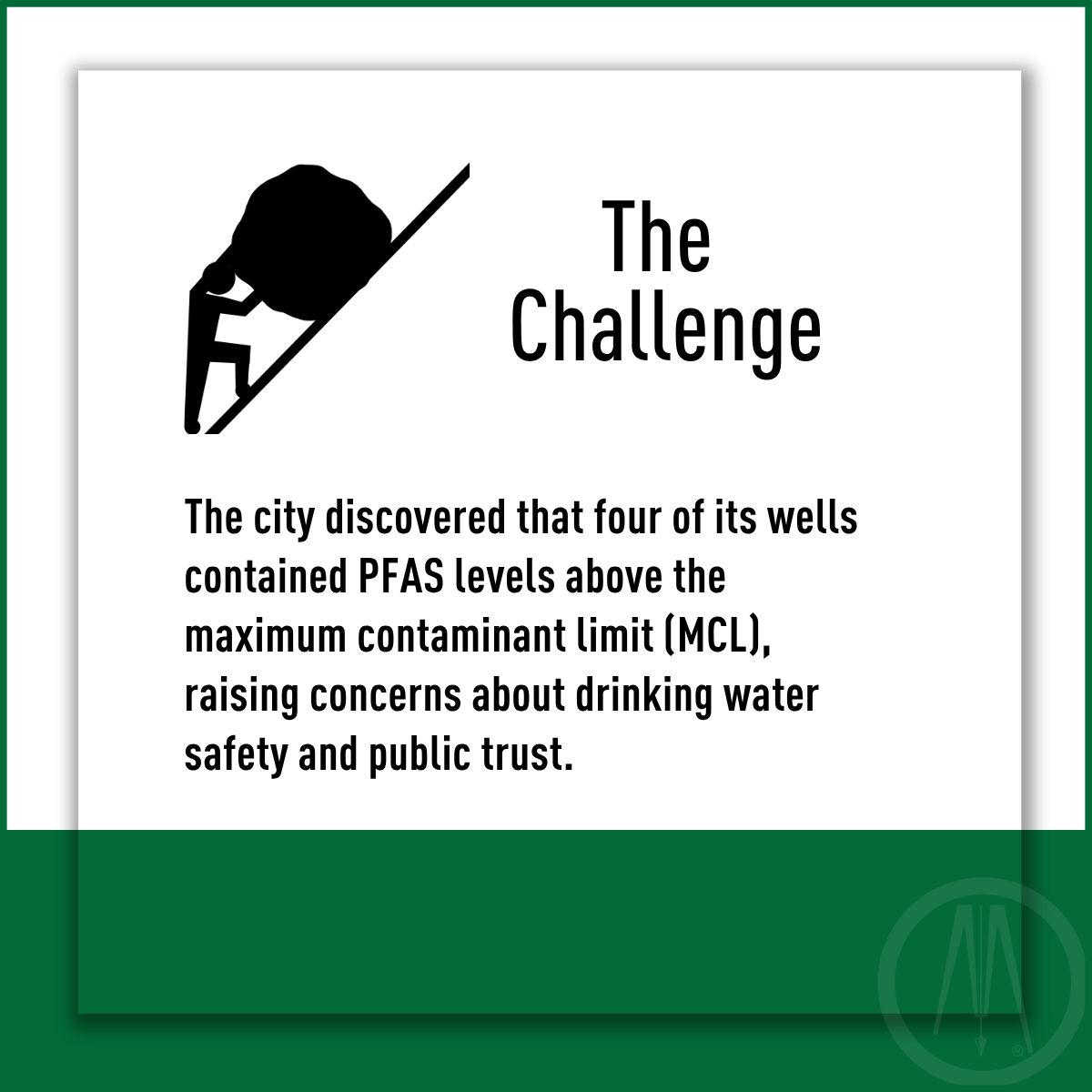
While Willmar is leading regional efforts to reduce PFAS in wastewater, Brooklyn Center offers another powerful example of community-driven success. The city discovered that four of its wells contained PFAS levels above the maximum contaminant limit (MCL), raising concerns about drinking water safety and public trust.
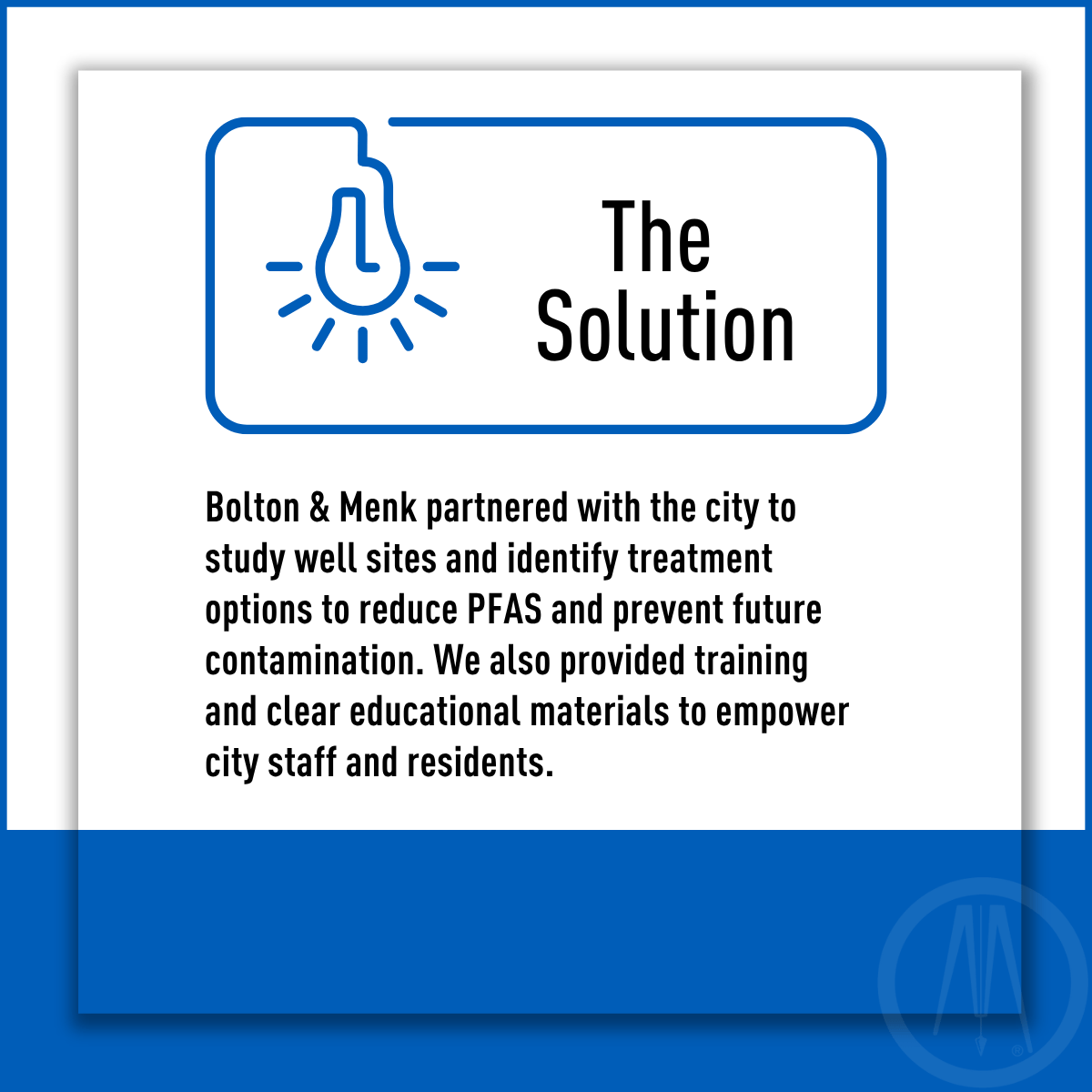
To address the issue, Bolton & Menk partnered with the city to conduct a well site study, exploring treatment options to lower PFAS concentrations and prevent future contamination. But the work didn’t stop at technical solutions. Our team also provided one-on-one training for the public works department and city council, helping them understand the issue and confidently communicate with residents. We developed public education materials that explained PFAS in clear, accessible language, empowering the community to take part in the solution.
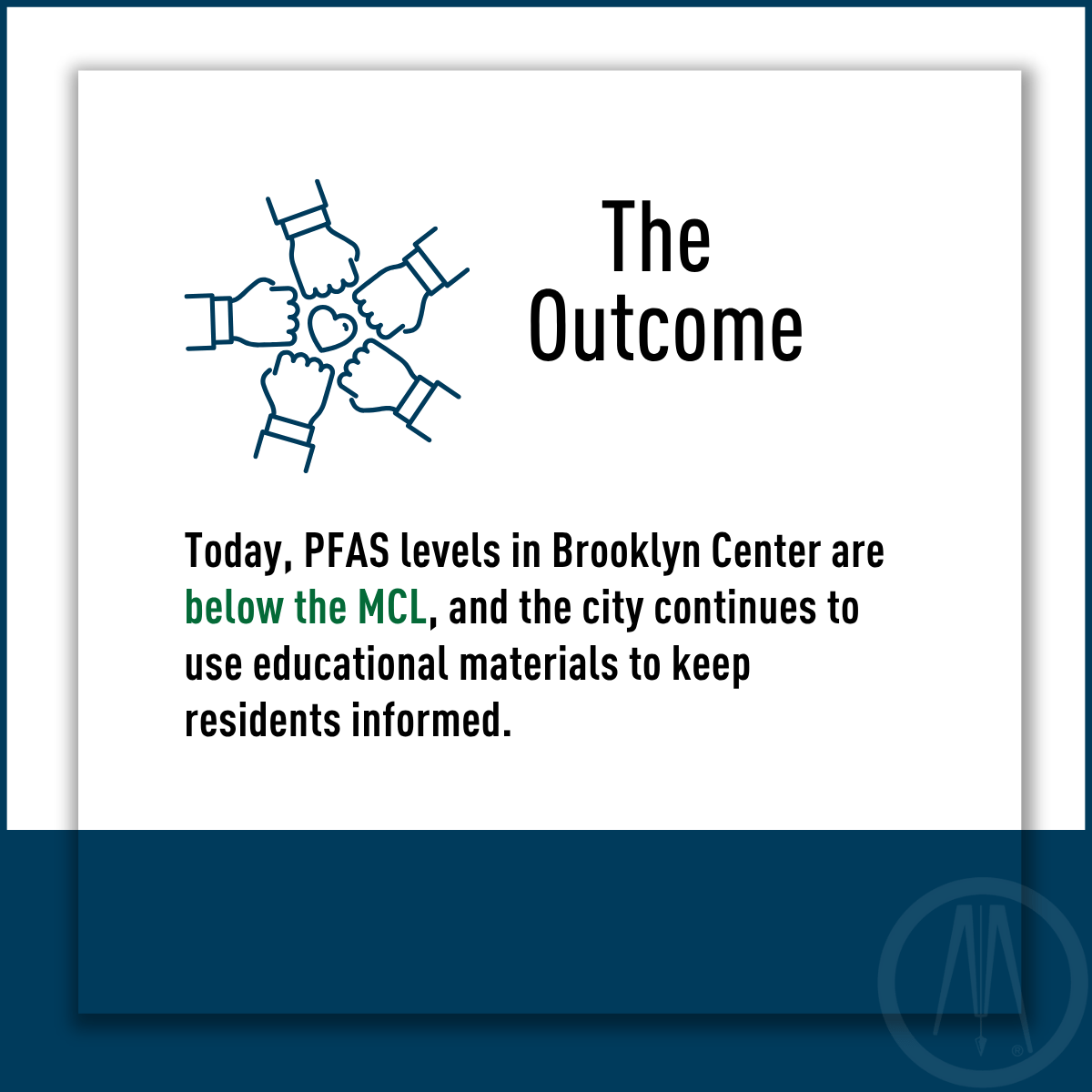
Thanks to the combined efforts of city staff, Bolton & Menk, and a well-informed public, the city council felt confident in its response plan. Today, PFAS levels in Brooklyn Center are below the MCL, and the city continues to use educational materials to keep residents informed and empowered. This success story shows how technical expertise, transparent communication, and community engagement can come together to protect public health and restore trust.
Navigating Regulations and Funding
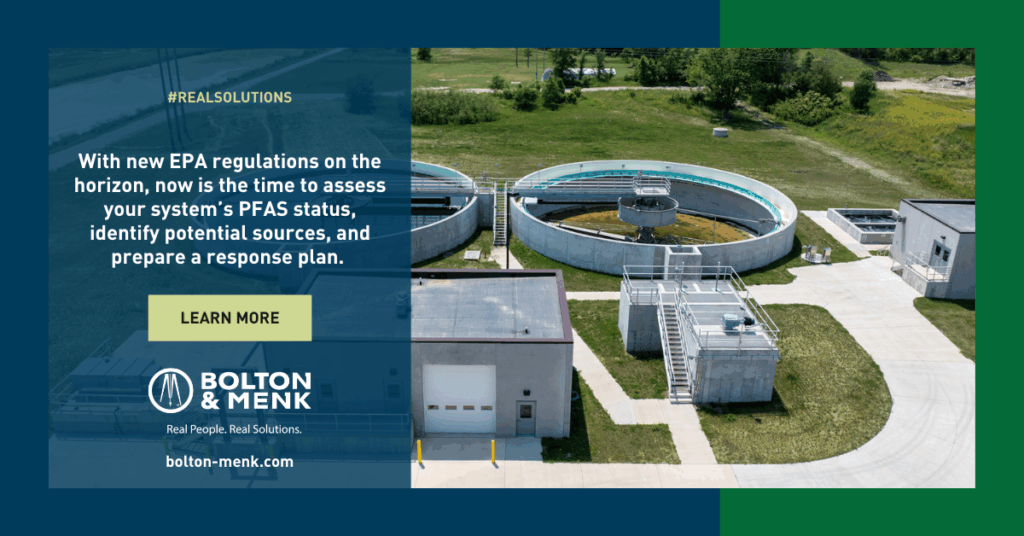
PFAS regulations are evolving, and communities must stay ahead of new requirements.
In Minnesota, new rules require wastewater plants to test biosolids for PFAS before they can be used on farmland. Willmar’s proactive approach helps ensure compliance and protects local agriculture. Securing funding is another challenge, but strategic planning and collaboration have made a significant difference. Willmar’s project is supported by a Source Identification Grant for sampling activities and a Planning Grant that funds piloting a PFAS removal process.
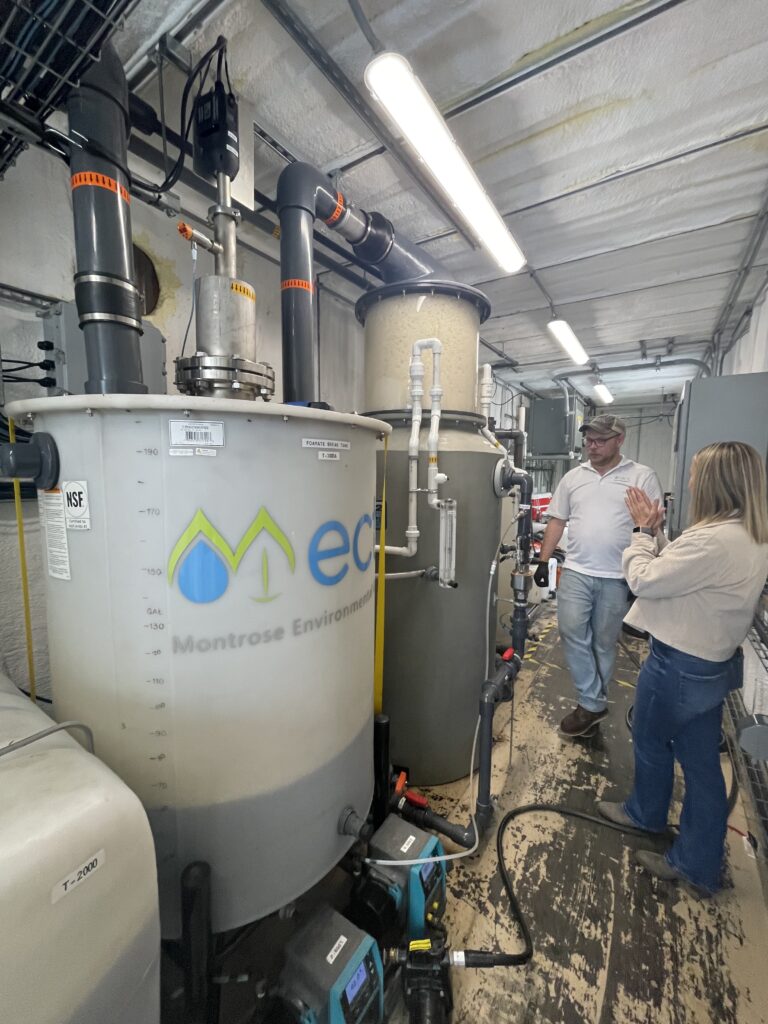
Furthermore, our team successfully secured two grants from the MPCA for additional projects: one for $800,000 dedicated to PFAS work on drinking water, and another for approximately $300,000. By carefully planning and budgeting, we ensure every dollar is used effectively for community benefit, demonstrating the power of partnership in advancing cleaner water for all.
Lessons Learned and Looking Ahead
By working together, sharing information, and embracing new technologies, communities can make real progress in protecting their water, land, and health. As communities continue to gather data and refine their approach, other communities can learn from their successes and challenges. Regional collaboration, transparent communication, and proactive planning are the keys to building a safer, healthier future for everyone.
PFAS may be “forever chemicals,” but our commitment to community health and environmental stewardship can last even longer. By putting people at the center of infrastructure solutions, we can ensure that our water, land, and future remain safe for generations to come.
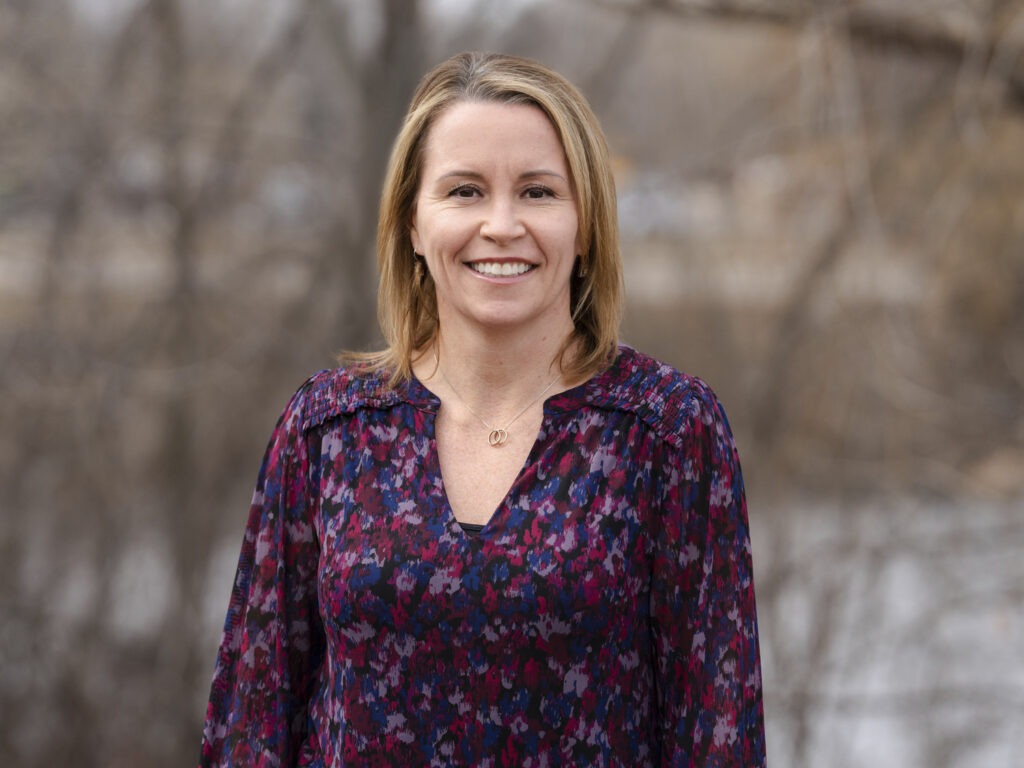
Angie Saffert
Angie is a water/wastewater practice expert who joined Bolton & Menk in 2011. She is responsible for the design of wastewater treatment facilities, facility plans for wastewater treatment, and NPDES permitting. Angie has also conducted PFAS treatment viability assessments and has been at the forefront of PFAS permitting and regulations. Angie is dedicated to leaving the environment in a better state for her children.
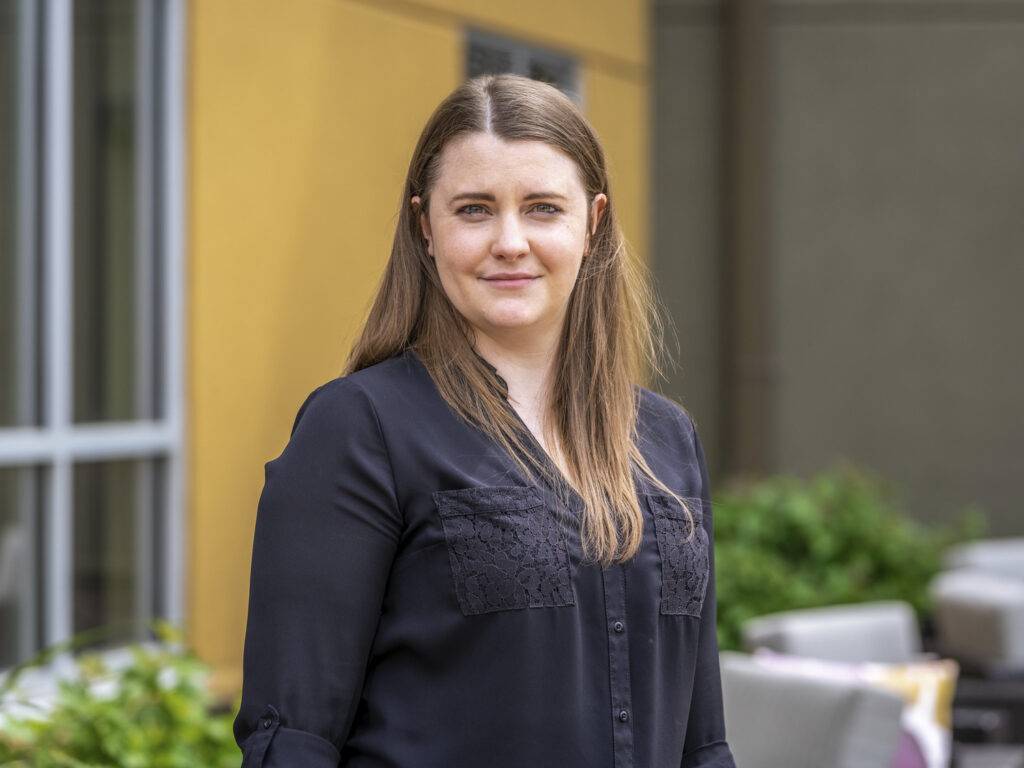
Meghan Brockman, PhD, PE
A water/wastewater project engineer at Bolton & Menk, Meghan began her professional career in 2020. Her expertise includes water and wastewater treatment, water chemistry, environmental regulations, and large-scale data analysis. She is an expert on PFAS treatment. Meghan is passionate about problem solving and protecting the environment.